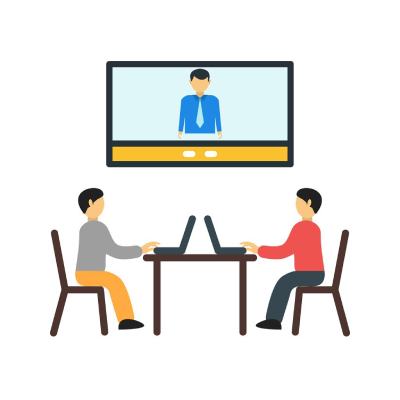
A virtual classroom is the digital counterpart of a traditional classroom. The instructor teaches and participants learn in real time; the only difference is that teaching and learning run over the internet. Brainstorming, discussion and tests happen live, and reports are ready the moment a session ends.
Creamobile's virtual classroom is a component: it embeds into your own website, corporate portal, LMS or ERP through an API library. It can also run as a standalone application.

It offers more flexibility than a traditional classroom. You can deliver training to users in different locations at the same time; instructors and learners alike can work with participants in other parts of the world. Attendance is tracked automatically. Online learning also brings communication tools a physical room does not have: chat between users, discussion boards, polls and multimedia content.
It works the same way for businesses: you can train employees, resellers, partners and customers in real time. Participants join a live session from a smartphone, tablet or laptop, so training can take place even while stakeholders are on the move.
Creamobile has three complementary solutions on the education side. They do not do the same job:
This page. A live teaching engine. If you want to embed it into your own system over an API, or run it standalone, you are in the right place. For corporate, dealer and customer training.
A packaged product for schools and study centres. Built around a weekly timetable, with school-specific functions such as attendance, makeup lessons and class merging. See Classroom 7/24.
A learning management system. Not live teaching but asynchronous content, SCORM-compliant material, assignment and assessment. It can be used together with live classes. See SuperLMS.
Face-to-face sessions with advanced audio and video quality. A full-screen conference mode and a five-way audio-video layout with automatic speaker detection reproduce the feel of a real classroom. Low-resolution online video and echo-free audio keep interaction uninterrupted even on limited bandwidth.
Recording runs automatically in the background during a live stream and is captured directly on the server — it does not consume the device's computing resources. Because nothing is uploaded from your device or your participants', teaching and attending remain possible on low-powered machines.
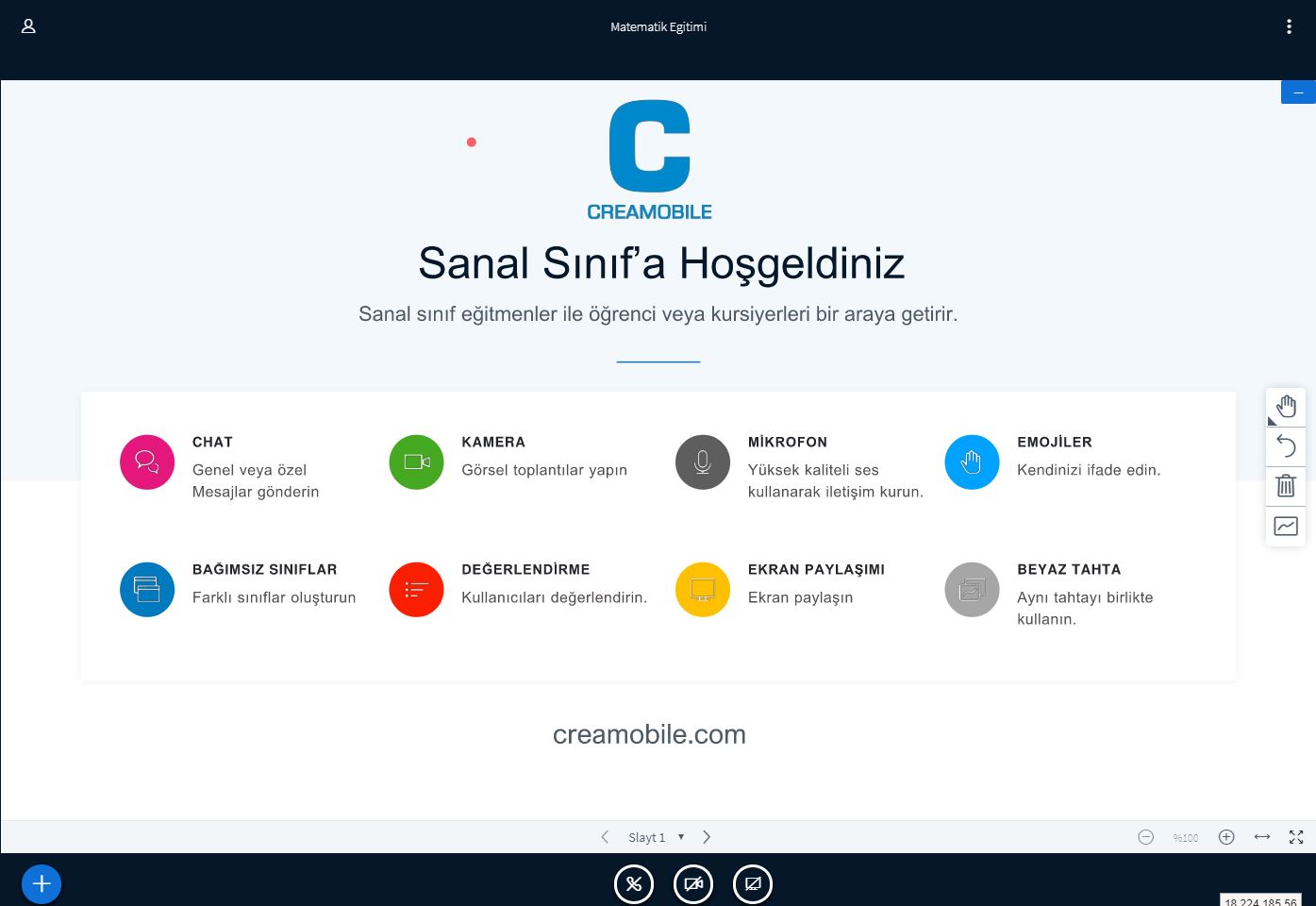
The interactive whiteboard works in full-screen mode. You can open several boards to show diagrams, upload presentations and images, and even play video. Ready-made geometric shapes and charts make teaching mathematics and statistics easier. You can annotate an existing file or image and pick colours from a palette.
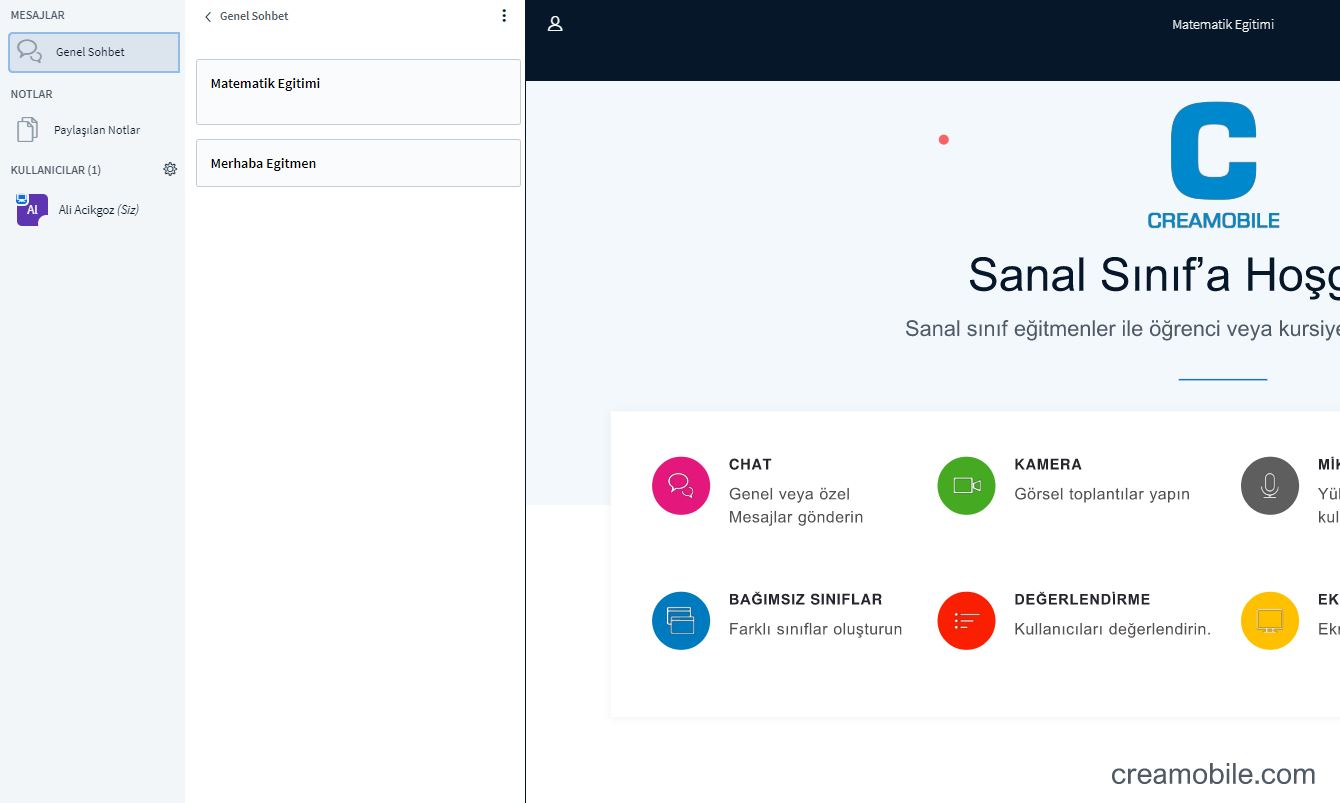
You can hand audio or video control to participants in the session. A live poll lets you ask a question or gather feedback. Students use live chat and a raise-hand function. With live screen and application sharing, instructors can share their screen in real time and provide remote assistance.
Upload text, audio, video, presentation and HTML files in a range of formats: PDF, DOC, DOCX, XLS, XLSX, PPT, PPTX, WAV, WMA, MP3, MOV, MPEG, WMV, MP4, JPEG, GIF, PNG.
You can define roles and permissions for participants and manage running sessions with a set of in-class controls. Automatic post-session reports let you measure learner progress.
Use our API library to integrate live classroom functionality into your own website. You can also run it integrated with our SuperLMS learning management system.

Record any session and watch it later.
Whiteboard controls let you annotate the important parts of your presentation.
Broadcast your desktop for all participants to see.
Chrome and Firefox users get high-quality, low-latency WebRTC audio.
Upload any PDF presentation or Office document.
Several participants can share a camera at once; there is no built-in limit on simultaneous cameras.
Students can raise a hand and use emoji icons for feedback.
Send a poll to students at any time to increase participation.
Interact with students through public and private chat.
Enter live captions for students; they also appear as subtitles in recordings.
Split students into separate rooms for group work.
Visually impaired students can interact using the JAWS screen reader.
Live teaching is not only for educational institutions. Some of the corporate training platforms we have built:
A virtual classroom runs the live lesson: instructor and student are connected at the same time. An LMS manages content, assignments and assessment, which learners reach whenever they choose. Used together, live sessions are scheduled through the LMS and their recordings are kept in the same place.
Yes. It embeds into your website, portal or existing LMS/ERP through the API library.
No. Audio runs over WebRTC in Chrome and Firefox; participants join from the browser.
For other questions, see the frequently asked questions page.
Ataşehir, İstanbul, Türkiye
Mersin Teknopark, Türkiye
Enfield, London, United Kingdom